The Hidden Crisis of Weight Loss Drugs: Are Ozempic and Wegovy Making You Frail?
New science reveals GLP-1 drugs do not just melt fat. They can strip away the very muscle that keeps you alive, mobile, and strong.
Quick Summary: GLP-1 receptor agonists like Ozempic and Wegovy are transforming weight loss, but mounting research shows they may cause significant muscle and bone loss, especially in older adults, potentially accelerating frailty, falls, disability, and death. Here is everything you need to know.
Table of Contents
What Are GLP-1 Weight Loss Drugs?
The Weight Loss Drug Revolution and Its Dark Side
What Is Frailty, and Why Should You Care?
How Weight Loss Drugs Are Causing Muscle Loss
Who Is Most at Risk?
The Bone Loss Problem Nobody Is Talking About
What Doctors Are Seeing Right Now
How to Protect Yourself: A Practical Action Plan
The Future: New Drugs Being Developed to Fix This Problem
Key Takeaways
Frequently Asked Questions
What Are GLP-1 Weight Loss Drugs?
If you've heard of Ozempic, Wegovy, Monjaro, or Zepbound, then you already know about the revolution happening in obesity medicine.
GLP-1 receptor agonists — drugs that mimic the glucagon-like peptide-1 hormone — were originally developed to treat type 2 diabetes. Their remarkable ability to suppress appetite and promote significant weight loss has made them some of the most talked-about drugs in the world.
Here is a snapshot of the major players:
Drug Name | Generic Name | Approved For |
Ozempic | Semaglutide | Type 2 Diabetes |
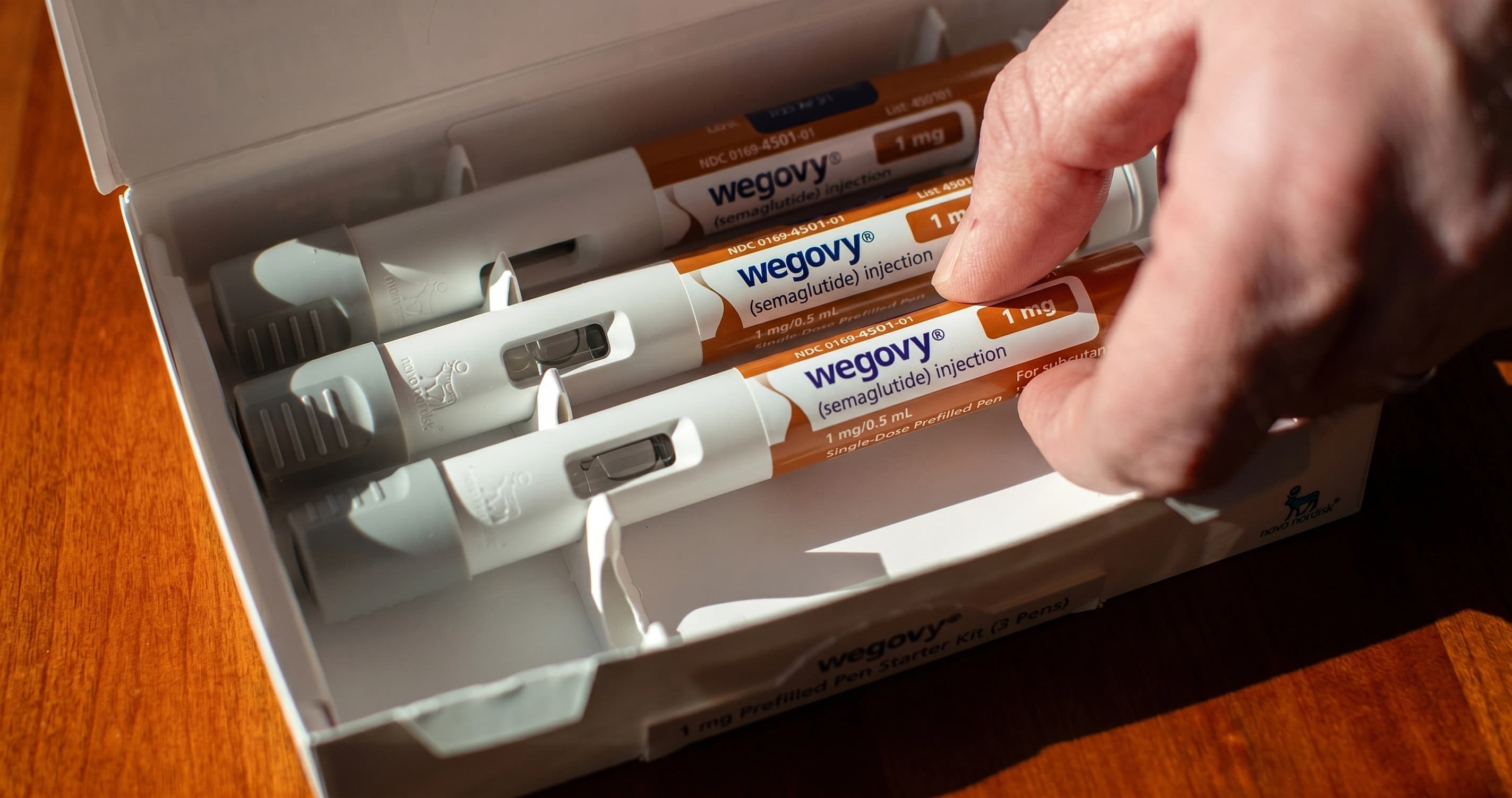
Wegovy | Semaglutide (higher dose) | Obesity / Weight Loss |
Mounjaro | Tirzepatide | Type 2 Diabetes |
Zepbound | Tirzepatide | Obesity / Weight Loss |
Saxenda | Liraglutide | Obesity / Weight Loss |
Search interest in Ozempic alone has reached 14 million monthly searches, growing by 30 percent year-over-year. Today, more than 12 percent of Americans are using GLP-1 drugs, and that number is rising rapidly worldwide.
These drugs work by slowing gastric emptying so that food stays in your stomach longer and you feel full, suppressing hunger signals in the brain, improving blood sugar regulation, and significantly reducing total calorie intake.
Clinical trials show that users are losing 10 to 22 percent or more of their total body weight. For a person weighing 250 pounds, that means a potential loss of 25 to 55 pounds.
But here's the question that no one was asking out loud until recently: What is actually being lost?
The Weight Loss Drug Revolution and Its Dark Side
The promise of GLP-1 drugs seemed almost too good to be true. Take a weekly injection, lose a significant amount of weight, improve your heart health, and potentially live a longer life.
For millions of people, these drugs have been life-changing. The cardiovascular data is impressive. The metabolic improvements are real.
But a growing body of research is now sounding an alarm, one the medical community is only just beginning to take seriously.
When you lose weight rapidly on GLP-1 drugs, you don't just lose fat. You can also lose dangerous amounts of muscle and possibly bone.
A landmark review published in Nature Reviews Endocrinology (2026) specifically analyzed the causes of sarcopenia and frailty in people taking GLP-1 receptor agonists, marking it as a serious emerging concern that is in dire need of immediate clinical attention.
A literature review cited in major medical journals found that up to 50 percent of the total weight lost on GLP-1 medications may not be fat. It can come from muscle mass and other important lean tissues.
Consider what this means in practice. If you lose 40 pounds on Wegovy, up to 20 of those pounds could be muscle.
What Is Frailty, and Why Should You Care?
Frailty is not just feeling old. It is a recognized, measurable medical syndrome, and it is one of the most dangerous conditions that a person can develop.
Medically, frailty is defined by five indicators: Unintentional weight loss, muscle weakness as measured by low grip strength, fatigue and tiredness, slow walking speed, and low physical activity.
Having three or more of these indicators classifies someone as frail. Having one or two classifies them as pre-frail.
Frailty dramatically increases the risk of falls and fractures, which are a leading cause of injury-related death in older adults. It also increases the risk of hospitalization, disability and inability to perform daily tasks independently, nursing home residency, and premature death.
Here's a cruel irony. Many people taking GLP-1 drugs to lose weight are doing so to improve their health. But if muscle loss causes frailty, they may be swapping one serious health risk for another.
How Weight Loss Drugs Are Causing Muscle Loss
The Basic Physiology
When your body weight decreases for any reason, it draws energy not only from stored fat but also from various tissue sources. This is a fundamental physiological process that doesn't change whether you're dieting, exercising, or injecting GLP-1 medication.
The faster and more dramatically weight is lost, the more lean mass is used to make up for the energy shortfall.
GLP-1 drugs work primarily by dramatically reducing appetite and calorie intake. In that calorie deficit, muscle protein is also used for energy production, especially when protein intake is inadequate, there is no resistance exercise, and weight loss is occurring too quickly.
What the Research Actually Shows
A 2025 study published in PubMed shows that GLP-1 receptor agonist treatments can lead to a 15 to 40 percent reduction in lean body mass, which is part of the total weight loss. In studies specifically using semaglutide, some participants saw up to 40 percent of their total weight loss as a reduction in non-fat mass.
A 2025 study from the University of Virginia found that despite significant weight loss, GLP-1 drugs fail to improve cardiorespiratory fitness, a key predictor of long-term survival. These drugs simultaneously reduce fat and muscle, undermining the benefits to the heart and lungs that weight loss should theoretically provide.
A study published in The Lancet Regional Health confirmed that the use of GLP-1 receptor agonists in weight loss treatment is associated with a reduction in lean muscle mass, unless targeted strength training interventions are implemented alongside them.
New research from the University of Utah has found that even when muscle mass isn't dramatically reduced, the muscles of people taking Ozempic can become functionally weaker. This finding makes the risk of weakness far more complex than previously thought.
A literature review has shown that up to 50 percent of the weight loss from GLP-1 drugs is not from a loss of fat, but from a loss of muscle mass and other important body tissues.
Who Is Most at Risk?
Not everyone taking GLP-1 drugs faces the same risk. But certain populations are particularly vulnerable.
Adults Over 65
This is the most important population. After the age of 65, the body naturally loses an estimated 12 to 16 percent of its skeletal muscle mass in a process called sarcopenia. This leaves very little physiological reserve before functional impairment from muscle loss begins.
When GLP-1-induced muscle loss is added on top of age-related sarcopenia, the combined effect can be severe.
Dr. Steven Heymsfield, director of the Metabolism and Body Composition Laboratory at Louisiana State University, has been clear on this point: “There are people who are 70 years old, who are obese, who are taking these medications, and it puts them on a path to sarcopenia and frailty.”
Women
Research presented at the Endocrine Society's annual meeting found that women taking Ozempic may have a significantly higher risk of muscle loss compared to men, potentially linked to hormonal differences in muscle protein synthesis.
People Who Are Sedentary
Those with low physical activity going into treatment have a lower muscle mass baseline and less stimulus for muscle preservation during weight loss.
Those with Poor Nutrition
People who are not eating adequate protein during GLP-1 treatment are at elevated risk. These drugs severely suppress appetite, causing protein intake to fall below the threshold needed to maintain muscle. A 2025 article in the International Journal of Obesity described failure to monitor nutrition during GLP-1 treatment as a critical oversight.
People with Chronic Conditions
Those with chronic kidney disease, liver disease, inflammatory bowel disease, or pre-existing sarcopenic obesity face compounded risks that are not yet fully understood by researchers.
The Bone Loss Problem Nobody Is Talking About
Muscle loss is a primary concern, but bone health is another emerging concern that requires serious attention.
A study presented at the American Academy of Orthopaedic Surgeons' annual meeting in 2026 found that GLP-1 drugs, including Ozempic and Wegovy, may carry a slightly higher risk of osteoporosis and gout.
This is particularly concerning in the context of frailty. The combination of weak muscles from sarcopenia, fragile bones from osteoporosis, and deteriorating balance and coordination creates an ideal environment for devastating falls and fractures, which are among the leading causes of death and disability in older adults worldwide.
Current clinical trials at Western University in Canada are investigating the effects of GLP-1 drugs on both muscle and bone density, specifically to better identify who is at greatest risk before it's too late.
What Doctors Are Seeing Right Now
The global medical community is actively grappling with this issue.
Physicians surveyed in the Sermon global medical community consistently see the challenge of balancing the profound weight loss benefits of GLP-1 drugs with the potential for sarcopenia and long-term frailty.
The emerging consensus among physicians is clear: GLP-1 treatments should not be the sole therapy. They are most effective when incorporated into a comprehensive care plan that includes nutritional counseling and strength training.
Dr. John Batsis at UNC Medicine puts it plainly: “If patients are losing weight without doing resistance exercise, there's a risk that they become more sensitive to stresses and have difficulty performing daily activities.”
There is also a serious concern about what happens when people stop taking these drugs. After a year, fewer than one in four patients remain on the GLP-1 drug. When people stop taking these drugs after losing significant muscle mass, the risk of weight regain and persistent muscle weakness could leave them in a worse metabolic and physical state than when they started.
Concerns about nutritional deficiencies are just as serious. Many people take GLP-1 drugs without monitoring their nutrition at all, which was described as a serious oversight in a 2025 article in the International Journal of Obesity.
How to Protect Yourself: A Practical Action Plan
If you are currently on or considering a GLP-1 drug, the following evidence-based strategies are your best defense against frailty and muscle loss.
Do Resistance Training
This is the single most evidence-backed intervention available. The Lancet study was clear: GLP-1 users who incorporated targeted strength training did't show significant lean mass decline. Those who did't incorporate it did.
Aim for two to four resistance training sessions per week. Focus on compound movements such as squats, deadlifts, rows, and presses. Gradually increase the weight over time. Even bodyweight exercises and resistance bands produce meaningful benefits if gym access is not available.
Prioritize Protein Intake
Protein is the raw material your body uses to build & preserve muscle. On GLP-1 drugs, your appetite is suppressed, making it easy to accidentally eat far too little protein.
General recommendations call for 1.2 to 1.6 grams of protein per kilogram of body weight daily, with the higher end recommended for older adults. Spread protein intake across meals rather than concentrating it in one sitting. Focus on high-quality sources including eggs, chicken, fish, Greek yogurt, cottage cheese, and legumes. A whey or plant-based protein supplement can help if hitting daily targets through food alone is difficult.
Research confirms that higher protein intake may protect against muscle loss and also reduce insulin resistance during GLP-1 treatment.
Do Not Lose Weight Too Fast
Slower weight loss preserves more muscle. Talk to your doctor about dose titration. Some patients lose weight more slowly by staying at a lower dose, which may better preserve muscle mass. A general guideline is to aim for a weight loss rate of 0.5 to 1 percent of body weight per week.
Demand Body Composition Monitoring
Standard weight scales do not tell you whether you are losing fat or muscle. Ask your doctor about a DEXA scan, which is the gold standard for body composition analysis, bioelectrical impedance analysis, or a simple grip strength test, which is free and a strong predictor of frailty.
Ensure Micronutrient Adequacy
GLP-1 drugs reduce food intake dramatically, and with it, micronutrient consumption. Key nutrients to monitor include Vitamin D, which is critical for muscle and bone function; calcium for bone density; Vitamin B12 for energy and nerve function; magnesium for muscle contraction; and iron, especially in women.
A conversation with your doctor about baseline blood work and ongoing monitoring is essential before and during treatment.
The Future: New Drugs Being Developed to Fix This Problem
Researchers are actively working on a solution for the problem of muscle loss.
An experimental muscle-preserving drug called bamagrumab showed promising clinical trial results in 2025, helping people taking semaglutide preserve their muscle mass while reducing fat. These results were presented at the American Diabetes Association's annual meeting in Chicago.
A combination of a GLP-1 drug with bimagrumab could represent the next phase of obesity treatment, achieving fat loss without the devastating cost of muscle wasting.
Researchers are also developing biomarker tests to better identify which GLP-1 patients are at a higher risk of muscle loss before it becomes a serious problem, allowing for timely intervention.
As a leading researcher said at the ADA conference: “As we enter a new era of obesity treatment, it is important that the focus is not only on the amount of weight lost, but also on preserving muscle mass and achieving the health benefits that come with obesity treatment.”
Key Takeaways
GLP-1 drugs like Ozempic and Wegovy are highly effective weight loss tools, but they carry a real risk of muscle and bone loss.
Up to 40 percent of weight lost on GLP-1 drugs can come from lean body mass rather than fat.
Muscle loss can lead to frailty, a medical condition associated with falls, disability, and premature death.
Older adults, women, and sedentary individuals face the highest risk.
The solution is not to avoid these drugs. It is to use them as part of a comprehensive plan including strength training, adequate protein intake, and regular medical monitoring.
Emerging drugs like bimagrumab may soon offer a way to preserve muscle while losing fat on GLP-1 therapy.
GLP-1 drugs should never be used as a standalone treatment. Every patient deserves a complete care plan from their healthcare provider.
Frequently Asked Questions
Does Ozempic cause muscle loss?
Yes. Research indicates that Ozempic (semaglutide) can cause significant muscle loss alongside fat loss, particularly when not paired with resistance training and adequate protein intake. Studies show lean body mass loss can account for 15 to 40 percent of total weight lost.
What is sarcopenia and can Ozempic cause it?
Sarcopenia is the progressive loss of muscle mass and strength. GLP-1 drugs like Ozempic can accelerate sarcopenia, especially in older adults who are already losing muscle naturally with age.
Who should be cautious about taking Ozempic or GLP-1 drugs?
Older adults with pre-existing frailty, sarcopenia, or very low muscle mass should be carefully evaluated by a physician before starting GLP-1 therapy. Those who cannot or will not perform resistance exercise may face elevated risks and require closer monitoring.
How can I prevent muscle loss on Ozempic or Wegovy?
The most effective strategies are resistance and strength training two to four times per week, eating 1.2 to 1.6 grams of protein per kilogram of body weight daily, avoiding excessively rapid weight loss, and monitoring body composition with DEXA scans or similar tools.
Is Mounjaro safer than Ozempic for muscle loss?
Both semaglutide (Ozempic and Wegovy) and tirzepatide (Mounjaro and Zepbound) are associated with lean mass loss. There is currently insufficient comparative data to definitively say one is significantly safer than the other for muscle preservation.
What happens when you stop taking Ozempic?
When you stop GLP-1 drugs, significant weight regain is common. If you have lost muscle during treatment, regained weight is more likely to return as fat, leading to worse body composition than before treatment. This makes having an exit strategy with your doctor essential.
Are GLP-1 drugs safe for older adults?
They can be used in older adults, but with extreme caution and close monitoring. The frailty and muscle loss risk is significantly higher in this population, and any GLP-1 prescription for older adults should come with a mandatory strength training and nutrition plan.
Read more:- Ebola Outbreak 2026: WHO Declares Global Emergency as Untreatable Strain Crosses Borders
Read More:- Hantavirus Symptoms 2026: What You Need to Know About the Andes Virus Cruise Ship Outbreak
Read more:- Urgent FDA Warning: Over 3 Million Eye Drops Recalled at CVS, Walgreens, and Rite Aid Over Safety Concerns
Read More:- Peppermint Oil for High Blood Pressure